Identify, Target & Treat Spring & Summer Eye Allergies
Spring and summer bring sunny skies, beautiful blooms and plenty of seasonal allergies! Many people find that their allergies spike when the seasons change. The spring and summer months, in particular, bring waves of pollen, mold and dust that can trigger seasonal eye allergies. Don’t waste this beautiful time of year with allergies that make your eyes itch, water and burn. Our Visionworks team is here to help you identify your spring and summer allergy symptoms, target the causes and treat your eye conditions to help you see clearly in the sunny months ahead.
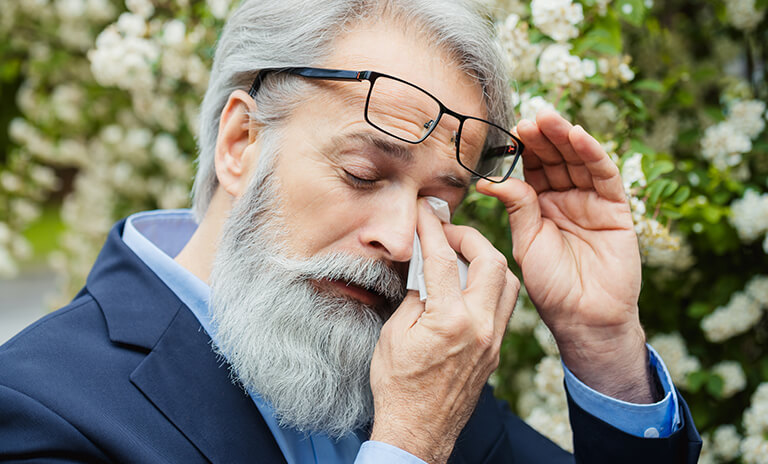
Identifying the Symptoms of Spring and Summer Eye Allergies
Some people suffer from eye allergies year-round, while others only experience allergy symptoms during certain months. You may suffer from outdoor allergy triggers, indoor allergens or both! The first step to preventing seasonal allergies and relieving eye irritation is to identify the symptoms. Symptoms from allergens can start immediately upon exposure or develop over two to four days. Outdoor and indoor allergens may result in different symptoms. Pay attention to what symptoms you have, where they occur and what triggers are in your environment.
Red Eyes
Red eyes result from inflamed blood vessels on the eyes’ surface and are typically a symptom of direct exposure to an allergen. Rubbing the eyes, wearing contacts for too long and increasing screen time can all worsen your red-eye symptoms.
Itchy Eyes
Itchy eyes occur when histamines are released around the eye as the body responds to an allergen like pollen, dust or dander. Itchy eye symptoms can worsen with wind exposure or touching the eyes.
Teary Eyes
Teary eyes are a sign the body is trying to remove particles, irritants or relieve dryness in the eye. Often, teary eyes are a response to seasonal allergies, but when persistent, they can also be an indicator of more significant issues.
Puffy, Sore or Swollen Eyes
Puffy, sore or swollen eyes are a direct result of seasonal eye allergies. Puffy eyes that aren’t sore could be an indicator of poor sleep.
Light Sensitivity
Light sensitivity in the eyes is a common symptom of seasonal eye allergies. Light sensitivity can easily lead to headaches and migraines, so it is best to avoid bright lights and screens when experiencing this symptom.
Other General Allergy Symptoms
Most people who experience seasonal eye allergies also experience other physical symptoms, like sneezing, stuffy nose or cough. The eyes are rarely the only area affected.
Targeting the Causes of Spring and Summer Eye Allergies
Eye allergies can be caused by seasonal outdoor changes, indoor home environments or even slight variations in routine. Pinpointing what triggers your eye allergies allows you to develop a better plan for treating symptoms or avoiding them in the first place. Take notice of your environment or any life adjustments when seeking the cause of your eye allergies.
Seasonal Outdoor Eye Allergens
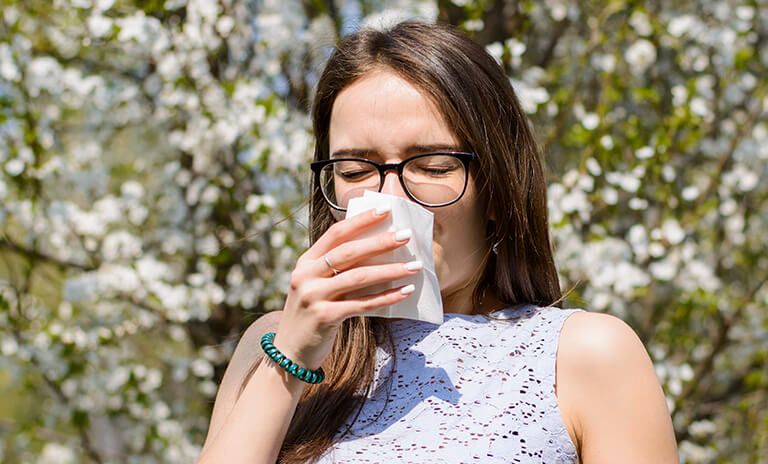
Seasonal outdoor eye allergens like pollen are the most common cause of spring and summer eye irritation. If you experience itchy or red eyes when strolling outside at the start of spring, then blooming plants are probably your allergy trigger.
Year-round Indoor Eye Allergens
Indoor eye allergens tend to be a year-round trigger for most, but some people experience a seasonal spike. For example, spring cleaning sessions can stir up dust and mold, causing an increase in your symptoms.
Direct Contact Eye Allergens
Direct contact eye allergens include makeup, perfumes, sunscreens and other chemical-based products with which we come in contact. For example, if you change your skincare routine for the summer, one of your new products could cause an allergic reaction affecting the eyes.
Treating and Eliminating Spring and Summer Eye Allergies
Once you understand your eye allergy symptoms and causes, you can treat the symptoms or eliminate them before they even start. Here are our suggestions for treating seasonal outdoor eye allergies, managing indoor allergy triggers and eliminating direct contact allergens.
Seasonal Outdoor Eye Allergy Relief
Wear Glasses or Sunglasses Outdoors
Wearing glasses or sunglasses outdoors helps shield your eyes from pollen, reduce allergy symptoms and keep you looking stylish! Check out the Visionworks collection of glasses and sunglasses frames ideal for spring!
Limit Time Outdoors
Before stepping outside for some fun in the sun, check the local weather report for air quality and allergen levels. Limit time spent outdoors when the pollen and mold count is high.
Use Eye Drops and Artificial Tears
Antihistamine eye drops and artificial tears can provide relief for itchy and dry eyes. Allergy eye drops are great for contact lens wearers who may experience more severe dry eye symptoms. Check with your eye doctor for over-the-counter eye drop recommendations.

Antihistamine Pills
Antihistamine pills work to block the entire body’s allergic response, eliminating not only itchy eyes, but also symptoms like scratchy throat or sneezing.
Year-round Indoor Allergy Relief
Clean Your Home
The best way to reduce indoor allergens is to do a heavy spring cleaning session. Make sure to clean with soap and water to remove mold and dirt, wash sheets regularly to reduce dust mites and change the air filter in your HVAC system regularly.
Direct Contact Allergy Relief
Use Natural Instead of Chemical-based Products
Introducing new chemical-based products into your skincare, beauty or home cleaning routine can trigger allergic reactions. If you’ve noticed itchy or puffy eye symptoms after introducing a new product, try eliminating it to see if there’s an improvement. Opt for natural products when you can and avoid chemical-based makeups, facial cleansers, sunscreens and home detergents.

General Tips to Reduce Eye Allergies
Wash Your Hands Regularly
Wash your hands frequently as they pick up dust, pollen and other allergen particles that can easily be transmitted to the eye.
Don’t Rub Your Eyes
No matter how itchy your eyes are, don’t rub them! This only makes things worse. Try artificial tears or blinking more frequently instead.

Consult Your Eye Doctor
If allergens persist, make an appointment with your eye doctor to discuss your options and see if there is an underlying cause to your eye allergy symptoms.
Our team at Visionworks wishes you a fun—and allergy-free—spring and summer season!
Related Articles


Content updated in April 2026
Information received through Visionworks® content is for informational purposes only and does not constitute medical advice, medical recommendations, diagnosis, or treatment. Always seek the advice of your eye doctor, physician, or other qualified health provider with any questions you may have regarding a medical condition.
Claims regarding blue light efficiency are supported by manufacturer-provided test results.