The Ultimate Guide
Preventing Seasonal Allergies and Relieving Eye Irritation
The fall and winter seasons bring cooler weather, delicious seasonal treats and the onset of allergies. Many people find that their allergies spike when the seasons change. This could be due to a rise in pollen and mold, changes in weather patterns, as well as spending more time inside around dust, dander and other airborne allergens. The Visionworks team is here to offer recommendations for seasonal eye allergy relief and suggest ways to prevent or reduce seasonal allergies.
What are the Causes and Symptoms of Fall and Winter Eye Allergies?
The first step in preventing and relieving seasonal eye allergies is to identify the causes and recognize the symptoms. Pay attention to how you feel outdoors versus indoors. Outdoor allergens can stem from pollen, grasses, trees and weeds. Indoor allergens can take the form of pet dander, dust mites and mold. Some people react to specific triggers like cigarette smoke or perfume. Let’s take a look at the symptoms these allergens can cause.
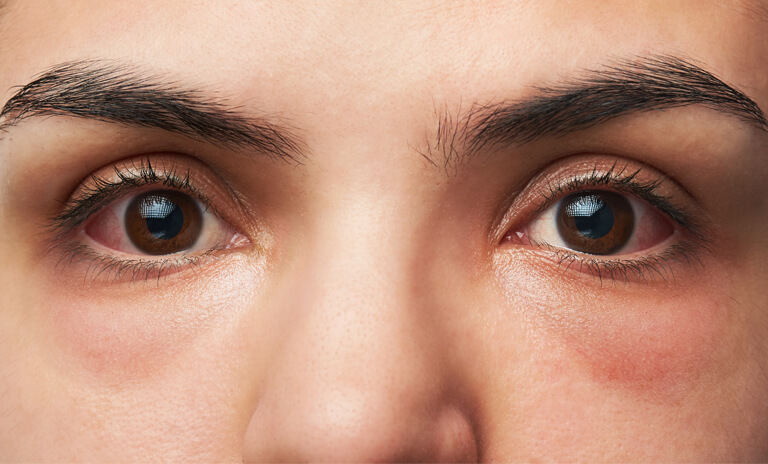
Red Eye
Red eye results from irritated or inflamed blood vessels on the white surface of the eye, causing a red and bloodshot appearance. Red eye can be caused by allergy triggers and typically occurs with direct exposure to allergens like smoke. This symptom can also be worsened by rubbing the eyes, spending too much time on the computer, wearing contact lenses for too long or overusing eye drops.
Itchy Eyes
Eyes typically become itchy when directly exposed to an allergen like pollen, dust or dander. When attacked by an irritant, histamines are released around the eye and result in that itchy feeling.
Teary Eyes
Teary eyes can be a result of allergens, as tears form to combat irritants or relieve dryness. Teary eyes can also be symptomatic of other issues related to colds or even underlying problems with the tear ducts. If teary eyes persist, it is best to consult an eye doctor.
Puffy, Sore, or Swollen Eyelids
When the area around the eye appears puffy or sore, allergies can be a direct cause. Sometimes, this symptom can be a result of a lack of sleep or even aging.
Light Sensitivity
Sensitivity to light can be a sign of allergens reacting with the eyes. Light sensitivity can be caused by other issues and worsen into health problems like migraines. If sensitivity persists, consult an eye doctor.
How to Prevent Seasonal Eye Allergies
One of the best ways to get rid of seasonal eye allergies is to prevent them in the first place! Remember, it is always good to be proactive when it comes to eye health—and allergies are no exception. Here are our tips to prevent eye allergies before they take over.
Wear Glasses or Sunglasses Outdoors
Wearing your prescription glasses or sunglasses outdoors can help reduce and prevent eye allergies. This is because they limit the number of airborne particles and pollen that directly enter the eye and cause a reaction and irritation. Plus, with so many stylish Visionworks frames to choose from, why wouldn’t you want to show them off all season?

Clean Your Home
If you are spending more time indoors during the winter months, you may want to do a deep clean to make sure your home is free from allergens like dust and dander. We recommend dusting your fans, deep cleaning carpets, wiping down all surfaces, and moving furniture to get to those hard to reach spots that can trap dust bunnies. Also, it is a good idea to upgrade your air filter regularly.
Wash Your Bedding
If you wake up feeling that your allergies are worse, the culprit might be in your pillowcase! Try switching your bedding out for hypoallergenic sheets and washing all your bedding regularly with scent-free detergents designed for those with sensitivities.
Limit Time Outdoors
When outdoor time leads to sneeze attacks and runny eyes, try limiting the amount of time you spend outside. Check your local weather report and stay inside when there is poor air quality or high allergen counts.

Wash Your Hands Regularly
Washing your hands can help reduce your allergy symptoms by removing another source of contact. If you find that playing with pets sets off your triggers, try washing your hands immediately after playtime to see whether that helps reduce symptoms.
Don’t Rub Your Eyes
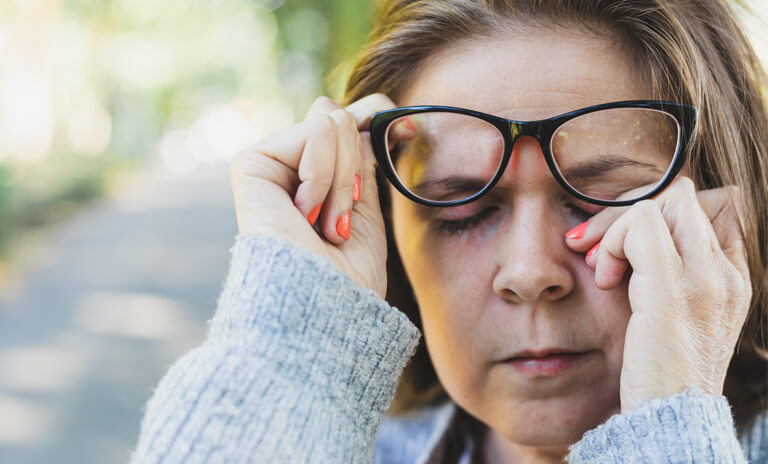
Never rub your eyes, even if they are itchy! Rubbing your eyes brings them into more direct contact with allergens and bacteria and may increase irritation. When you have the urge to rub your eyes, try using eye drops, blinking, rinsing or closing them for a minute instead.
Limit Time with Animals or Pets
If pet dander is your main allergy trigger, the only solution may be to reduce the amount of time you spend around animals. Keeping a regular bath time for pets and asking your vet about special shampoos can also help. If you can’t avoid contact with animals, consider making an appointment with a doctor who specializes in allergies.
Keep an Allergy Journal
Try to track down the direct cause of your allergies to see how to best respond to them. By recording what you were doing and where you were during an allergy flair-up, you’ll have a better idea about the source of the problem and how to reduce it.
How Can You Relieve Eye Irritation During Allergy Season?
When prevention methods aren’t effective, it is time to consider solutions for allergy relief. Here are our suggestions for fast ways to get rid of allergies—as well as long term strategies.
Artificial Tears
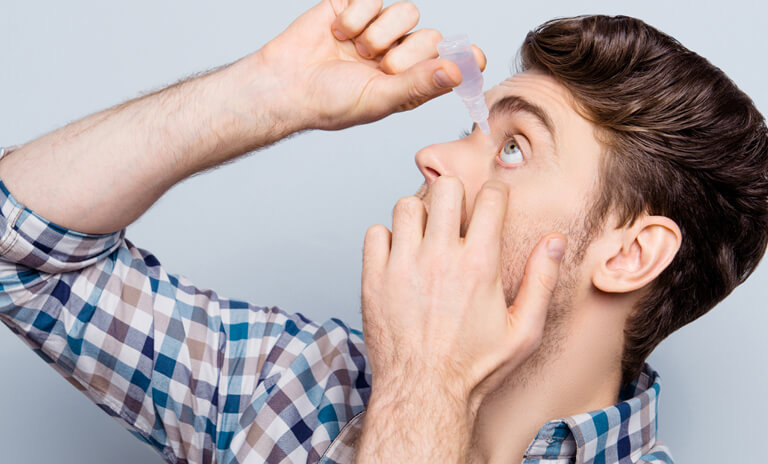
Artificial tears help clear the eye from irritants and offer relief for dryness and itchiness. Be careful not to overuse artificial tears, as overuse could affect natural tear production.
Antihistamines
Antihistamines help combat histamines, which are produced when allergens react with the body. Over-the-counter antihistamines can offer quick relief for all sorts of allergy symptoms, including itchy eyes.
Daily Contact Lenses
Sometimes contact lens wearers experience worse eye allergies because they are putting a lens directly on their eye that could trap a buildup of allergens and irritants. In addition to allergy eyedrops made for contacts, fresh pairs of daily contact lenses may be a great alternative for eliminating the problem.
Consult Your Eye Doctor
As always, if any eye issue becomes persistent, consult your eye doctor. Your optometrist will not only help you craft a plan for combating eye allergies but will also be able to see if there are any underlying conditions. Visionworks makes it easy to make your appointment online.
Our team at Visionworks wishes you a good (and allergy-free) season!
Information received through Visionworks® content is for informational purposes only and does not constitute medical advice, medical recommendations, diagnosis, or treatment. Always seek the advice of your eye doctor, physician, or other qualified health provider with any questions you may have regarding a medical condition.
Claims regarding blue light efficiency are supported by manufacturer-provided test results.