How to Keep Glasses From Fogging Up When Wearing a Mask
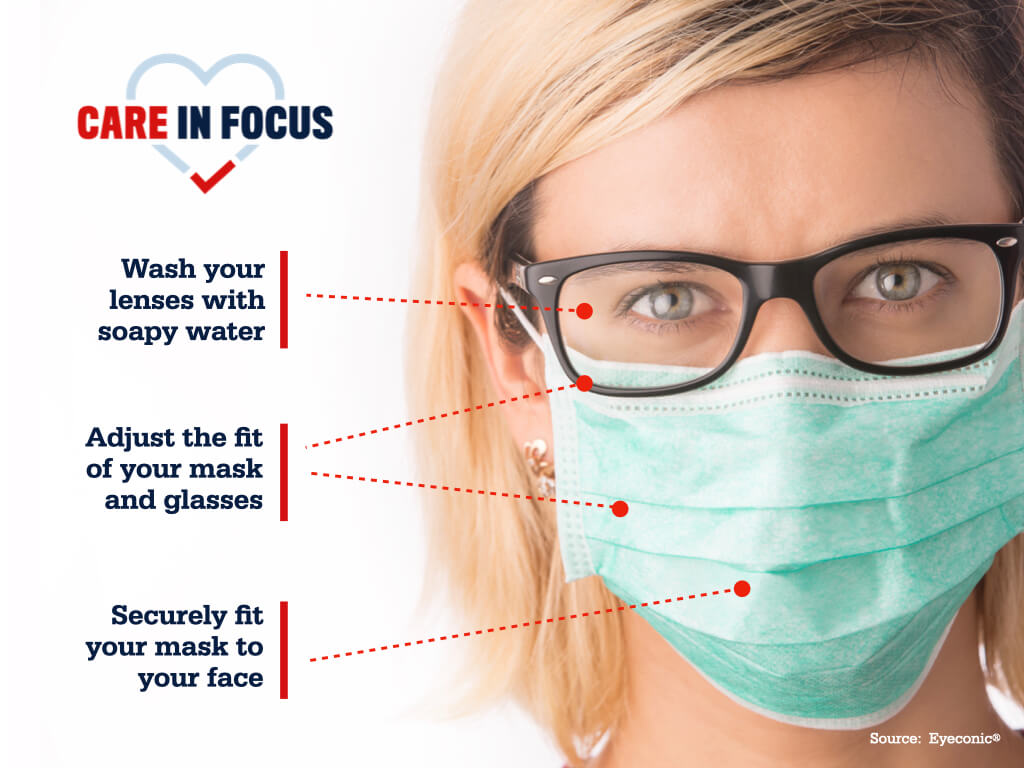
Thanks to COVID-19, the new normal is wearing masks in public! For some states and businesses, it’s a requirement for people to cover their faces if they decide to venture out for grocery shopping, a walk, or working in an essential business. While many people are still trying to adjust to this new addition in their daily routine, we must do our part as responsible citizens and community members to help reduce the spread of the virus and other illnesses. However, if you wear glasses, you may have noticed a new problem as a result of this - foggy lenses!
In the grand scheme of things, this might seem like a minor issue. But as a person who wears glasses, it’s inconvenient, unpleasant, and inhibits your ability to see clearly. So what’s the solution? We’ve shared our top eight methods for how to keep glasses from fogging up when wearing a mask, and what you should not do to prevent this from happening.
8 Methods for How to Prevent Glasses from Fogging
Now that you know what causes lenses to become foggy, how do you prevent this from happening? Try one (or all) of the methods below and see what works best for you!
Adjust your glasses
This might seem like an obvious solution, but a quick adjustment of where your glasses sit on your nose can do the trick! While pushing them up higher can be uncomfortable, it moves the lenses farther away from your mouth increasing airflow.
Pull your mask higher on your nose
This is a common method among medical professionals. Consider wearing your mask higher on your face and using your glasses to hold the mask in place or weigh it down so air doesn’t escape from the top as you exhale.
Tighten your mask
This method works if you have a mask that ties on rather than loops behind your head or ears. Tighten so it creates a snug fit around your nose and closes the gap around the bridge of your nose.
Make your own mask
Can’t find a mask that fits just right? Make one! Fabric masks can release some of the air so it’s not traveling upward towards your glasses. If you’re skilled with a sewing machine, you can even insert a thin, moldable wire (similar to what’s in an N95 mask) along the edge of your fabric that will rest on your cheeks and nose, so you can mold it to the shape of your face when wearing it.
Use tape
When you’re really in a pinch and need a quick fix, consider taping down the top edge of your mask with athletic tape. This creates an additional seal that can help prevent hot air from moving towards your glasses. However, if you have sensitive skin or are allergic to the adhesive material on the tape, do not use this method.
Use an anti-fog solution
If none of the methods above sound appealing or have worked for you in the past, try an anti-fog solution on your lenses. There are both at-home solutions or commercial products that you can use that will create a film on your lenses that prevents them from misting over.
Use Warm water and dish soap
Wash your lenses in a solution of warm water and dish soap, then let them air dry completely. It’s important to use lukewarm water - avoid hot water because this can damage the lenses. The dish soap creates a film on your glasses that will not inhibit your vision, but can help prevent glasses from fogging up. It’s best to let the glasses air dry fully, but if you must wear them immediately, wipe it down with a microfiber cleaning cloth. This type of fabric is extremely soft and should not scratch, damage, or leave behind fibers on the lenses.
Try Commercial anti-fog products
There are also commercial products on the market that you can use to help prevent glasses from fogging up. As with anything that contains chemicals, stop using the product if it causes irritation and exercise caution when cleaning. Clean off the product fully before wearing your glasses to reduce the risk of eye and skin irritation.
What You Should Avoid Doing
You might have seen different at-home solutions on the internet for how to keep glasses from fogging up when wearing a mask, but there are some “tricks” that are circulating on the internet that could actually cause damage to your lenses. Here’s what you should avoid doing:
Do not spit on your lenses
This is not effective and it actually increases the spread of germs and bacteria. Not to mention that it’s gross.
Do not clean with toothpaste
Toothpaste can have grainy substances mixed in, such as baking soda, that can cause abrasions on your lenses making it more difficult to see.
Do not clean with baby shampoo
While baby shampoo is gentle, we do not recommend using this on your glasses. It could create a film or leave a residue that inhibits your vision.
Do not clean with vinegar
Although this is an excellent cleaner for glass dishes or cups, it’s not a recommended cleaning solution for your prescription eyeglasses. Vinegar has a high acid-content, which could strip away the coating on your lenses rendering your glasses useless because you will not be able to see through them anymore.
Practice Proper Safety & Keep Your Glasses from Fogging
Yes, it’s possible to do both! It’s important to wear a mask in public during this time as a means to protect yourself and your community. And for individuals that wear glasses, there are some safe solutions to try that can help prevent glasses from fogging up while you’re wearing a mask.
If you're noticing that you’re having difficulty seeing clearly and your mask isn’t the culprit, it might be time to see an eye doctor. Visionworks' experienced and licensed optometrists can help detect vision problems and provide solutions that hospitals can't. Find an office near you and schedule an eye exam today!
Information received through Visionworks® content is for informational purposes only and does not constitute medical advice, medical recommendations, diagnosis, or treatment. Always seek the advice of your eye doctor, physician, or other qualified health provider with any questions you may have regarding a medical condition.
Claims regarding blue light efficiency are supported by manufacturer-provided test results.